
BLOG
REAL TALK ON RISK, COMPLIANCE AND WHAT’S BREAKING
Why a Context Layer Is More Than a Knowledge Graph
Structure is what your data is. Context is what it means when someone has to decide. Why a context layer is more than a knowledge graph, and what that changes for enterprise risk.
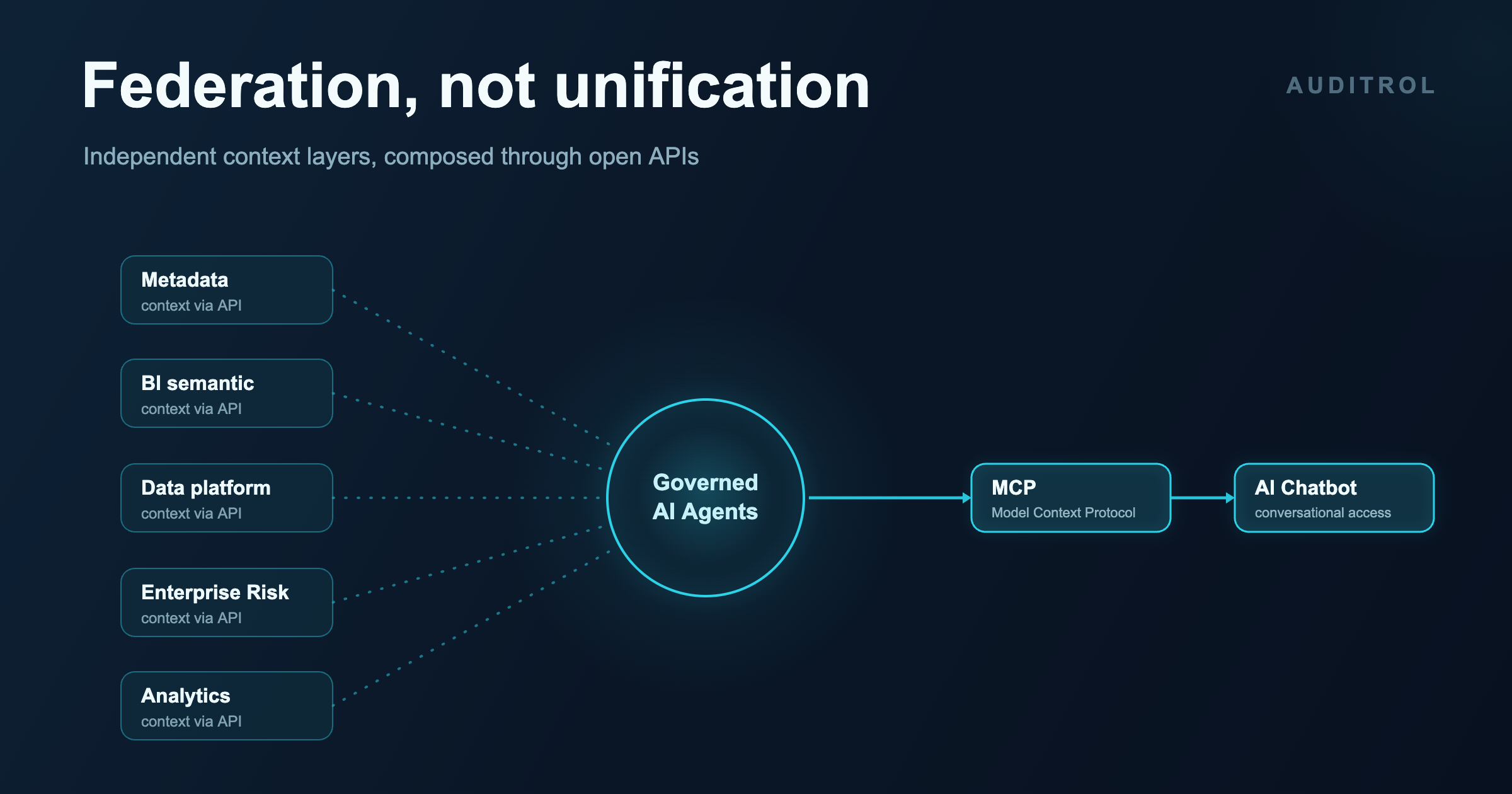
What Your Organization Should Demand from Its Context Layer
Context layers are the new battleground in enterprise AI adoption - and metadata vendors, BI platforms, and data providers are all racing to own yours. The problem: a single universal context layer is a myth, and organizations chasing it are walking into the same trap as the failed enterprise data model. The smarter move is federation over unification, and API accessibility over feature breadth. Here's what to demand from every tool that claims a context layer.

The Future of Banking: Four Waves, One Imperative
Most bank executives are tracking one or two of the forces reshaping financial services. Few are treating all four as the simultaneous, compounding mandate they represent. Auditrol's President and Co-Founder Chris Nobili examines the four waves: tribal knowledge automation, AI operating model reimagination, crypto and tokenization readiness, and payments disintermediation. He makes the case that the institutions winning the next decade are the ones building a unified operational foundation right now.
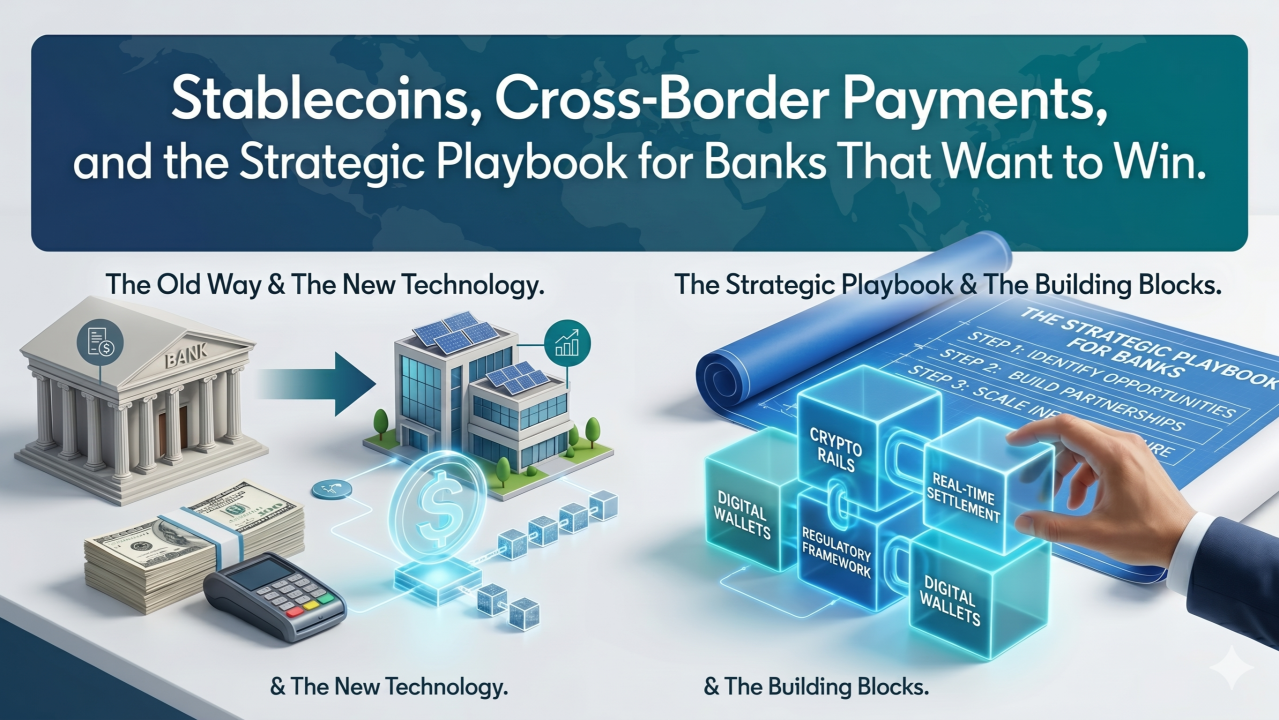
Stablecoins, Cross-Border Payments, and the Strategic Playbook for Banks That Want to Win
The rules banks have been waiting for are here. The GENIUS Act is law, the OCC has defined the stablecoin framework, and the SEC has eliminated years of securities law ambiguity. The question is no longer whether to engage with crypto, but whether your institution moves now while first-mover advantages still exist, or catches up later as a follower.
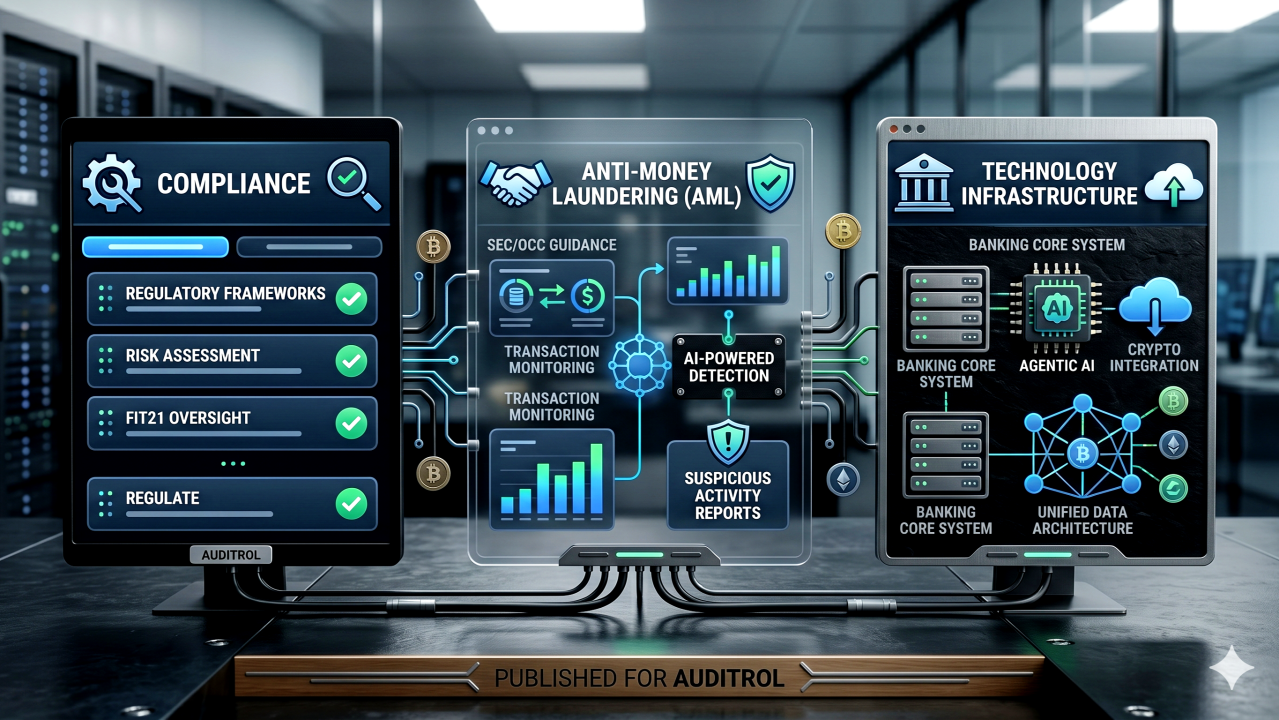
The Operational Backbone: Building the Systems That Make Crypto Banking Work
As crypto banking regulation solidifies, the real challenge shifts from policy to execution. Financial institutions must navigate a paradox where blockchain transparency enhances visibility, yet pseudonymity increases compliance complexity. Success will depend on integrating advanced analytics, modern infrastructure, and rigorous AML/KYC practices into legacy banking environments.

From Board Room to Blockchain: The Governance and Risk Imperative Every Bank Must Address
As blockchain technology moves from the fringes of finance into the boardroom, financial institutions must prioritize integrated governance and oversight to address unique operational and regulatory challenges. Success in this evolving landscape requires a proactive shift from experimental projects to enterprise-grade risk management frameworks that ensure security and compliance at every level.
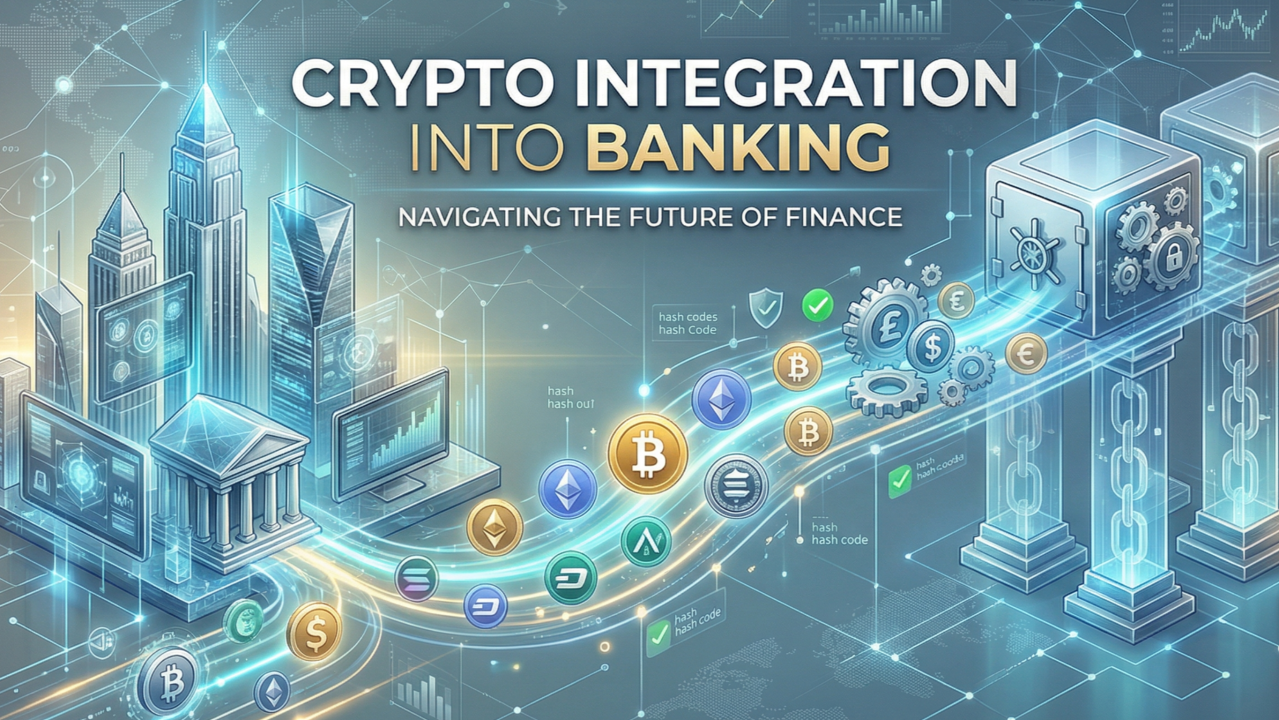
The Rules Have Changed: What Banks Must Know About Crypto Legislation Right Now
The regulatory landscape for financial institutions engaging with digital assets is shifting rapidly, requiring a move away from cautious observation. To remain competitive and secure, banks must now prioritize the implementation of robust compliance and risk management frameworks tailored to the evolving crypto environment.
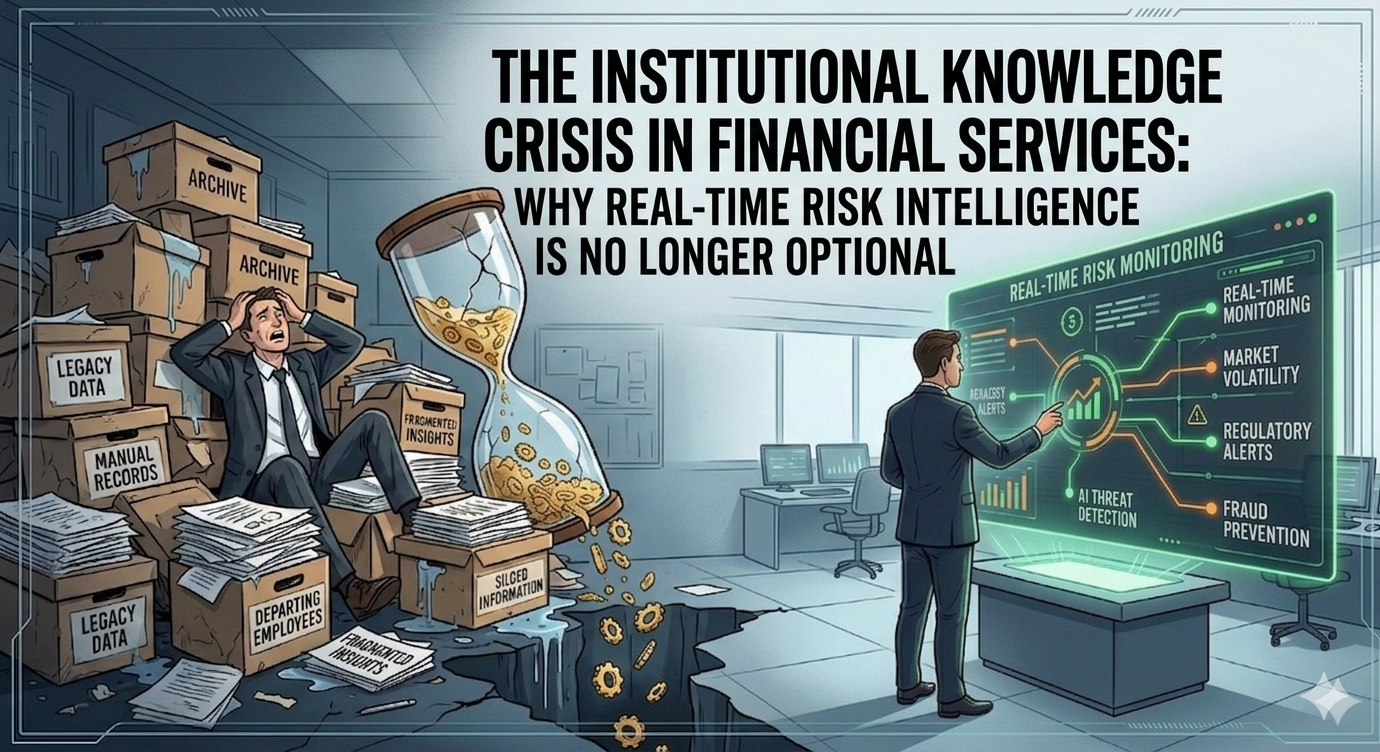
The Looming Crisis in Financial Services: Why Real-Time Risk Intelligence Is No Longer Optional
The most expensive compliance failures start with gaps in institutional knowledge that nobody noticed until it was too late. Many institutions operate with regulations, policies, controls, and data living in disconnected silos. When something changes, the ripple effects stay invisible until they become findings.
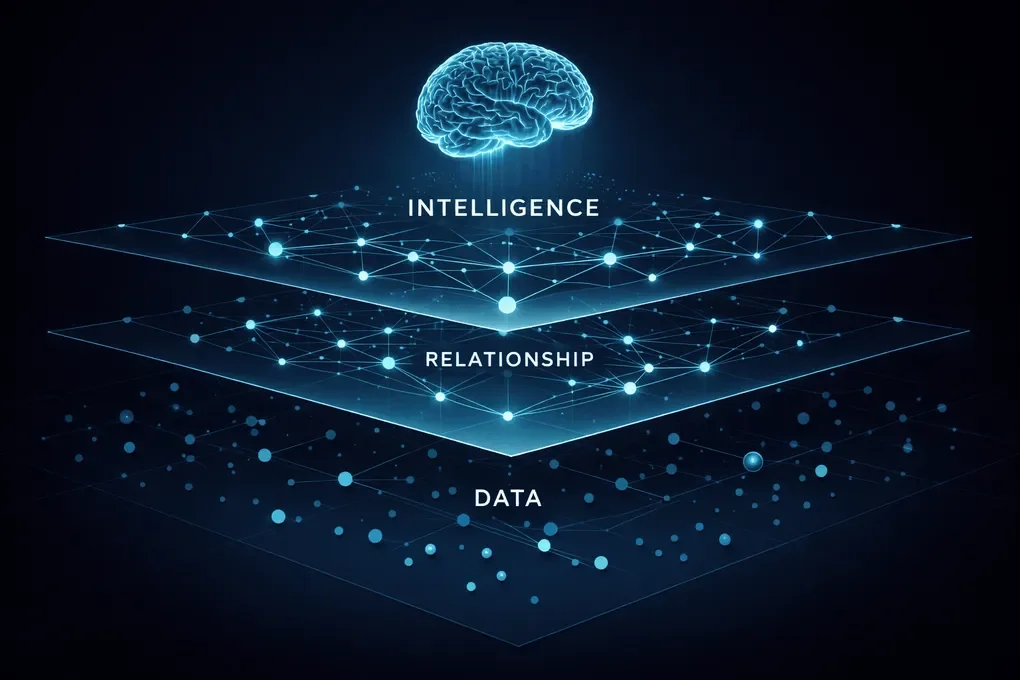
Emerging Trends in AI: The Critical Role of Data Modeling
Each year, industry experts release technology forecasts that highlight evolving trends and priorities in artificial intelligence. In 2025, Agentic AI was the central topic of discussion, emphasizing systems capable of autonomous action and decision-making. By 2026, the focus has shifted toward context graphs, and related terminology such as "knowledge graph" and "semantic graph."
My Perspective on the OCC’s Testimony and What It Signals for the Future of Operational Risk
After reviewing the Comptroller’s recent testimony, I found myself reflecting on what this moment really represents for financial institutions. The OCC’s push to simplify regulation, strengthen supervisory consistency, and encourage responsible innovation is encouraging, but it also underscores a deeper truth: regulatory relief alone won’t solve the operational challenges that have built up inside many organizations.

Market Analysis of AI-driven Risk and Control Solutions in Financial Institutions
At Auditrol, we continuously monitor the evolution of AI-driven risk and control solutions, particularly in credit unions, community banks, and regional banks with over $5 billion in assets, where corporate risk governance and heightened regulatory oversight are part of daily operations. Our analysis reveals a clear trend: legacy systems remain deeply entrenched yet increasingly inadequate, AI is advancing in transformations across front-end consumer facing applications, and critical gaps in back-office operations still challenge institutions.
From Reactive to Resilient: Automating Control Assessment in Risk Management
In today’s fast-moving regulatory landscape, manual controls and reactive processes simply can’t keep up. Risk managers are expected to anticipate challenges, adapt in real time, and prove compliance under increasing scrutiny. The future of operational risk is clear: proactive, automated, and AI-enabled.
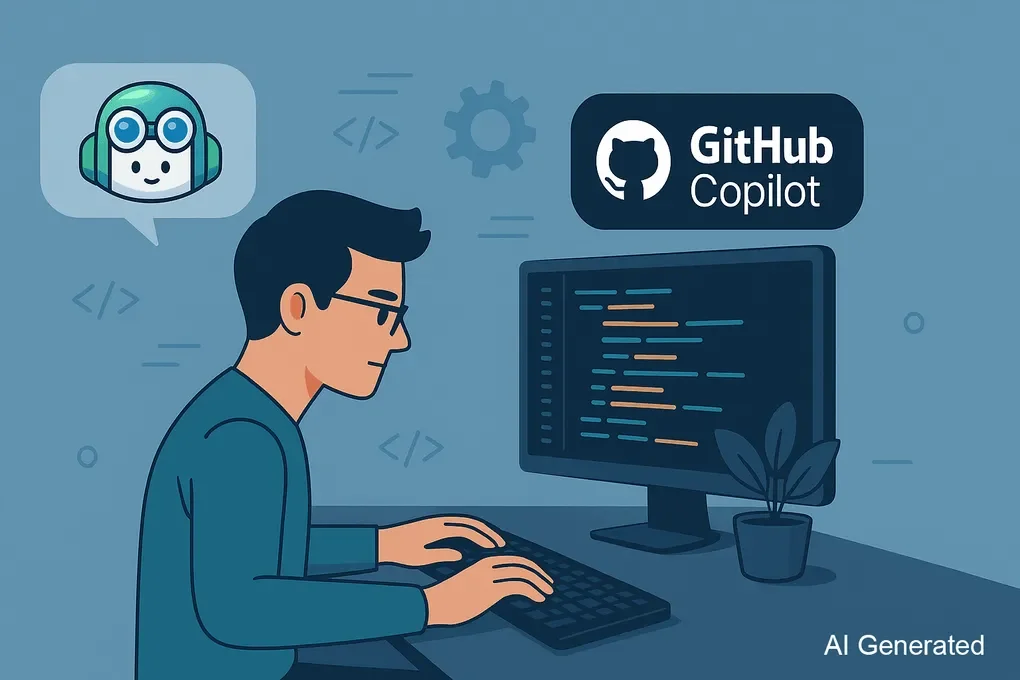
AI in Software Engineering: Practical Insights from the Field
At Auditrol, we have incorporated AI-powered tools like GitHub Copilot into our software development process. Over several product release cycles, we’ve observed valuable patterns in their usage. Below, I share lessons learned, along with specific examples, to help others.

Building and Deploying Efficient Infrastructure for Auditrol with Pulumi
Imagine spinning up your cloud infrastructure as easily as writing a few lines of code in your favorite programming language. Sounds pretty great, right? That’s exactly what Pulumi, a modern Infrastructure as Code (IaC) tool, brings to the table. Unlike traditional tools that rely on specialized languages or bulky templates, Pulumi lets you define your cloud resources using languages you already know such as Python, TypeScript, or Go. This means your infrastructure code becomes more readable and reusable across cloud infrastructure.
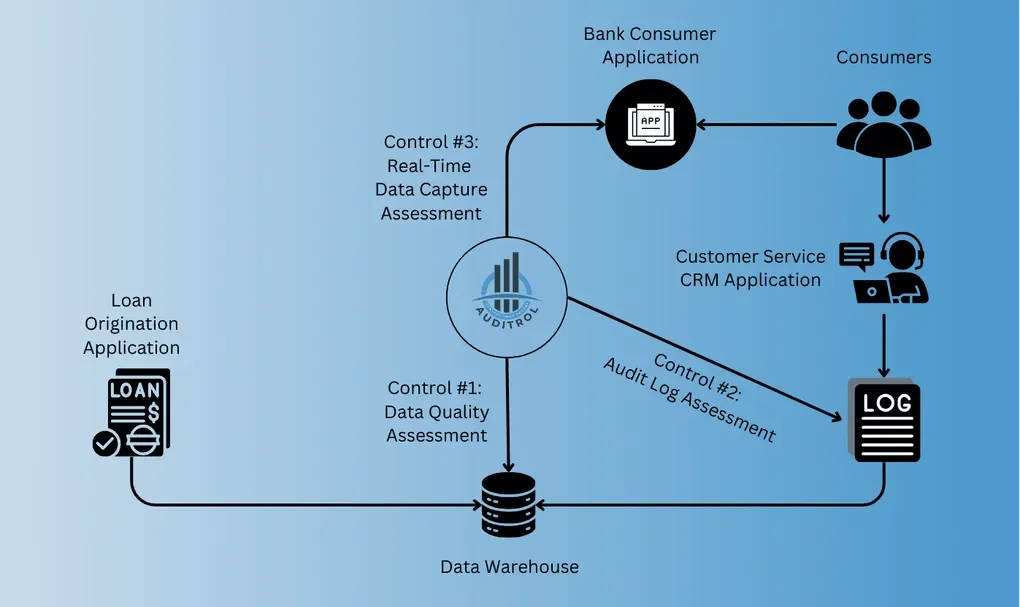
Effective Risk Management and Control Automation through Programmatic Canvas
To measure the effectiveness of data governance and risk management , organizations must define SMART (Specific, Measurable, Achievable, Relevant, and Time-bound) controls. When designed correctly, data, IT, and system-related controls can be automated, bringing significant efficiency to the organization.

Why We Started Auditrol: Revolutionizing Data Risk Management with AI
For decades, the core principles of banking have remained largely unchanged, with institutions taking calculated risks to generate profits. However, the industry has experienced significant transformations in recent years. New regulations and amendments, the rise of neo-banking, technological advancements, heightened security concerns, and privacy issues have all reshaped the banking landscape.
STOP REACTING.
START ANTICIPATING.
A Platform that Continuously Learns from Regulatory Changes, Policy Shifts, Data Patterns, and Ownership Changes.